
Table of Contents
Your furry friend’s health is at risk. The dog’s immune system faces threats every day. One big threat is Immune-Mediated Hemolytic Anemia (IMHA), where the body attacks its own red blood cells. About 50% of dogs with IMHA have only a 50-50 chance of survival1.
Understanding canine immunology is key for your pet’s health. IMHA can hit fast, turning a healthy dog into a critically ill one in just 24 hours1. This shows how important it is to be watchful and take care of your pet early.
Treating IMHA can cost a lot, often over $9,000 for just a few days in the hospital1. This cost, along with the emotional stress of seeing your pet suffer, makes prevention vital. But there’s hope – a simple 5-minute daily routine can boost your dog’s immune defenses and help prevent such serious illnesses.
Key Takeaways
- IMHA is a serious threat to canine health with a 50% survival rate
- Rapid onset of IMHA can occur within 24 hours
- Treatment costs for IMHA can exceed $9,000
- Middle-aged to older female dogs are at higher risk
- A 5-minute daily routine can help boost your dog’s immune system
- Proactive care is essential for maintaining pet health
Understanding Your Dog’s Immune System
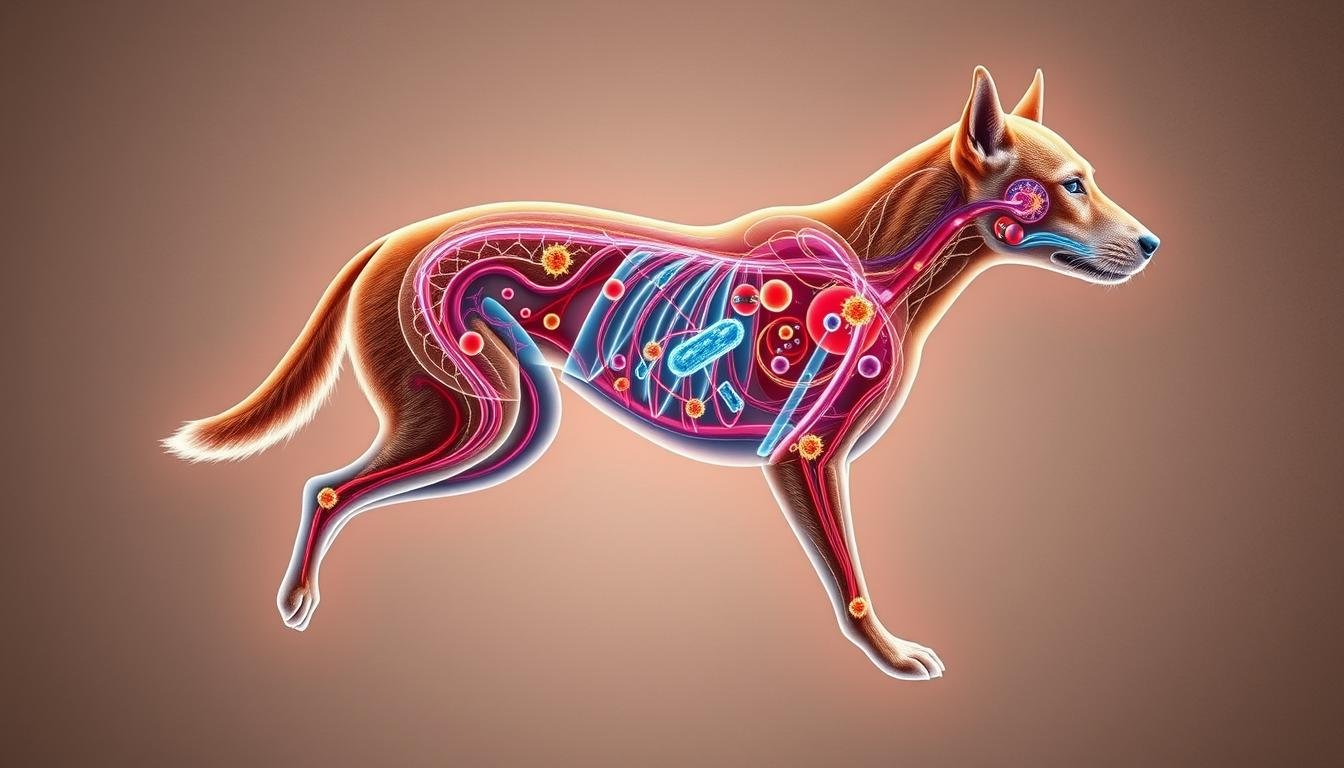
The canine immune system is a complex network that protects your furry friend from threats. In veterinary medicine, understanding this defense mechanism is key to keeping your dog healthy.
How the Canine Immune System Works
Your dog’s immune system is amazing. It’s a network of cells, tissues, and organs working together. White blood cells are the heroes, fighting off harmful invaders.
Neutrophils, the most common white blood cells, make up to 75% of adult dogs’ total leukocyte count2.
The immune system grows and develops over time. Newborn puppies start with low antibody levels, but these increase as they grow. At birth, puppies have IgG serum levels of just 0.3 g/L, while adult dogs have levels between 8–25 g/L2.
Common Signs of Immune System Dysfunction
It’s important for dog owners to recognize signs of immune system issues. These may include:
- Frequent infections
- Slow wound healing
- Chronic fatigue
- Skin problems
- Digestive issues
About 70% of a dog’s immune system is in the gut. This shows how important digestive health is for overall immunity3.
The Role of White Blood Cells in Dogs
White blood cells are the frontline soldiers of your dog’s immune system. They patrol the body, ready to attack any foreign invaders. Different types of white blood cells have specific roles:
| White Blood Cell Type | Function | Percentage in Adult Dogs |
|---|---|---|
| Neutrophils | First responders to infections | Up to 75% |
| Lymphocytes | Produce antibodies and destroy virus-infected cells | 20-30% |
| Monocytes | Engulf and digest pathogens and dead cells | Up to 5% |
Understanding your dog’s immune system is key to promoting their overall health. By recognizing signs of dysfunction and supporting immune health through proper nutrition and care, you can help your furry friend lead a happier, healthier life2.
The Hidden Dangers of Immune System Disorders
Immune system disorders in dogs can sneak up on pet health. These issues happen when the body’s defense goes wrong, attacking itself. Autoimmune diseases in dogs are a big worry because they can harm many organs and systems.
Genetics are a big part of these problems. About 60% of dogs are purebred, which can increase the risk of immune issues4. Intact females are more likely to have immune diseases, while intact males are less likely4.
The Major Histocompatibility Complex (MHC) is key to immune function. It helps tell the body what’s foreign and what’s itself. But in autoimmune diseases, it fails, causing the body to attack itself5. Thyroid disease is a common autoimmune issue in dogs, showing how well the immune system is working5.
Things around a dog can also cause immune problems. Infections, some drugs, and even vaccines can set off immune reactions in dogs45. Also, 50% of dogs over 10 years old might get cancer6.
Spotting these dangers early is crucial. Regular vet visits and knowing the signs can help catch these issues early. Thanks to vet medicine, there’s hope for dogs with immune disorders.
IMHA: A Silent Killer in Dogs
Immune-Mediated Hemolytic Anemia (IMHA) is a serious disease in dogs. It’s seen as a silent killer by vets. The dog’s immune system attacks its own red blood cells, leading to rapid illness and a high death rate.
What is Immune-Mediated Hemolytic Anemia
IMHA happens when a dog’s immune system goes wrong. It attacks and destroys red blood cells too fast. This causes severe anemia, which can be deadly if not treated quickly. It often comes with other autoimmune diseases and needs fast vet care.
Risk Factors and Breeds Most Affected
Any dog can get IMHA, but some breeds are more likely. Cocker Spaniels, Poodles, and Old English Sheepdogs are at risk. Female dogs and middle-aged dogs are also more likely to get it. Some medicines, like antibiotics or vaccines, can also trigger IMHA in some dogs7.
Early Warning Signs of IMHA
Spotting IMHA early is key for saving a dog’s life. Look out for these signs:
- Pale or yellow gums
- Weakness and lethargy
- Loss of appetite
- Dark urine
- Rapid breathing
If you see these signs, get your dog to the vet right away. Quick action can greatly improve a dog’s chances of living8.
Knowing about IMHA and its effects on a dog’s immune system is important. Regular vet visits and a healthy lifestyle can help prevent this disease and others in dogs.
The Vaccination Dilemma
Vaccination for dogs is key to their health, but it’s a topic of debate. Vaccines have greatly cut down on deadly diseases. But, worries about over-vaccination have grown.
Over-vaccination Risks
Some question the need for annual shots, as research shows immunity can last longer. Vaccines can sometimes cause problems, affecting about 1 in 60,000 dogs9. Some vaccines might weaken a dog’s immune system for 7-10 days after the shot9.
Current Vaccination Guidelines
Now, guidelines say adult dogs need core vaccines every three years, not every year. This change shows a better understanding of how long vaccines last. It’s important to remember that vaccines don’t always work 100% and can be affected by maternal antibodies in puppies10.
Titer Testing as an Alternative
Titer testing checks a dog’s antibody levels to see if they need a vaccine. This method can prevent over-vaccination while keeping dogs safe. It’s great for dogs that have had bad reactions to vaccines or live in low-risk areas.
The vaccination dilemma highlights the need for personalized pet health plans. Talking to a vet to make a vaccination plan that fits your dog’s life and health is key. This way, your dog gets the right protection without too many shots.
Natural Immune System Boosters for Dogs
Boosting your dog’s immune system naturally is crucial for holistic care. A strong immune system helps dogs fight off diseases and stay healthy. Let’s look at some effective ways to boost their immunity.
Dog nutrition is key for immune health. Some foods can greatly improve your dog’s immune function. For example, red bell peppers are full of vitamin C, which helps both types of immune systems11. Broccoli, with vitamins A, C, and E, also boosts immunity and may fight cancer11.
Supplements can help fill diet gaps. Echinacea boosts white blood cells and improves immune function12. Astragalus increases immune cell production12. Ginger’s compounds enhance immune cell activity and reduce inflammation12.
Probiotics are vital for gut health and immunity in dogs. About 70 percent of a dog’s immune cells are in their gut13. These good bacteria support the gut and overall immunity. Antioxidants also help by fighting off free radicals and supporting the immune system13.
It’s important to balance nutrition and supplements for your dog. Always talk to your vet before adding new supplements. This ensures they meet your dog’s specific needs.
The Critical Role of Nutrition in Immune Health
A dog’s immune system is closely tied to its diet. Good dog nutrition is key to pet health, with 70-90% of the immune system in the gut14. This shows how important the right food is for your pet’s defenses.
Essential Nutrients for Immune Function
Dogs need a balanced diet with important nutrients for their immune system. Omega-3 fatty acids are great for dogs with weak immunity14. White blood cells, the immune system’s first line of defense, need the right food to work well15.
Best Food Choices for Immune Support
Add immune-boosting foods to your dog’s diet. Red bell peppers, berries, spinach, carrots, and kale are good choices14. Just remember, treats should not make up more than 10% of their diet14.
Supplements That Make a Difference
Immune-boosting supplements can help your dog’s health. Probiotics are good for dogs with weak immune systems14. Choose supplements with the NASC quality seal and from companies with certified vets14. But, don’t overdo it, as too much can cause problems14.
By focusing on balanced dog nutrition and the right supplements, you can greatly improve your pet’s health. This helps them fight off diseases better.
Environmental Factors Affecting Dog’s Immune System
Your dog’s immune system battles many challenges from the environment. Dogs face daily exposure to household chemicals, allergens, and insects. These can harm their immune health16. It’s key to know these factors for your dog’s health.
Where your dog lives is important for their immune system. Dogs in wooden houses have less allergic skin issues17. This shows natural homes might help their immune system.
Cleanliness is good but can be too much. Very clean homes can lead to more allergies in dogs17. This backs the idea that some dirt is good for the immune system.
Coat color also matters. Dogs with lots of white in their fur are more likely to get allergies17. This shows how genetics and environment affect health.
Social life affects dogs too. Dogs with friends have fewer allergies17. Being born in a family also helps, showing early exposure is key.
Knowing these environmental impacts helps create a better home for your dog. This supports their immune system and overall health.
The 5-Minute Daily Immune Boosting Routine
Boost your dog’s immune system with a simple daily routine. This holistic dog care approach combines exercise, nutrition, and grooming. It enhances pet health. Let’s dive into the steps, materials, and monitoring methods for this effective immune-boosting strategy.
Step-by-Step Implementation Guide
Start your dog’s day with a brisk 5-minute walk. This short burst of activity contributes to the recommended 30 minutes of daily exercise. It supports overall health and immune function18. Follow up with a quick brushing session to remove dirt and stimulate blood flow.
Next, offer a small portion of immune-boosting food. Mix in nutrient-dense options like blueberries or carrots with their regular meal. This provides essential antioxidants18. Consider adding a probiotic supplement containing Lactobacillus or Bifidobacterium strains. It supports digestive health and immune function18.
Required Materials and Preparations
Gather these items for your routine:
- Leash for walks
- Grooming brush
- High-quality dog food
- Immune-boosting supplements
- Clean water bowl

Monitoring Progress and Results
Track your dog’s progress by observing energy levels, coat condition, and overall vitality. Regular vet check-ups are crucial for early detection of health issues19. Keep an eye on your dog’s weight, as obesity can weaken the immune system and lead to serious health problems19. Adjust the routine as needed based on your dog’s age, breed, and specific health requirements.
Remember, consistency is key. This 5-minute routine, combined with a balanced diet and clean environment, forms the foundation of a strong immune system for your furry friend.
When to Seek Veterinary Help
Knowing when your dog needs a vet is key to keeping them healthy. Pet owners should watch for signs that mean it’s time to see a vet. These signs are important, as they can show your dog is not feeling well.
Emergency Warning Signs
Look out for sudden changes in your dog’s behavior, appetite, or energy. Symptoms like constant vomiting, diarrhea, or trouble breathing are emergencies. For immune-mediated hemolytic anemia (IMHA), a serious condition, quick action is crucial. It can be fatal in 20% to 75% of dogs20.
Questions to Ask Your Vet
When you visit the vet, have a list of questions ready. Ask about what’s causing your dog’s illness, treatment options, and how to manage it long-term. For IMHA, ask about the chance of it coming back, which happens in about 1 in 5 dogs20. Also, talk about costs, as treatments can range from $150 to thousands20.
Treatment Options Available
Vets have many ways to treat autoimmune diseases in dogs. Steroids might be used, lasting up to 4 months for IMHA20. Blood transfusions could be needed, lasting about 3 to 4 weeks in a dog’s body20. Your vet might also suggest changing your dog’s diet. A balanced diet can help their immune system and lower infection risks21.
Regular vet visits are important for catching health problems early. These visits, along with a healthy lifestyle, can help your dog live longer and stay healthy15.
Prevention Strategies and Long-term Management
Keeping your dog’s immune system strong is key for their long-term health. A strong immune system fights off diseases, including cancer, which affects about 1 in 4 dogs22. To boost your dog’s immune system, use a holistic care approach. This includes good nutrition, regular exercise, and managing stress.
Nutrition is vital for immune health. Dogs need 20-30% of their daily calories from quality protein to make immune cells and antibodies22. Add foods high in antioxidants like blueberries and sweet potatoes to their diet. These can boost immune response by up to 30%22.
Exercise is also crucial for a strong immune system. Aim for at least 30 minutes of daily physical activity. This can increase immune cell circulation by 20%22. Regular exercise also lowers stress hormones like cortisol, which can weaken the immune system23.
Make sure your dog gets enough sleep for immune health. Puppies need 18-20 hours, adult dogs 10-14 hours, and senior dogs 14-20 hours of sleep per day23. Dogs with enough sleep have a 15% stronger immune response than those without22.
Regular vet visits are vital for managing your dog’s immune health. These visits can catch health issues early, improving outcomes by up to 40% for immune-related diseases22. Your vet can also advise on vaccinations and parasite control, which support the immune system23.
| Age Group | Sleep Requirement | Daily Exercise |
|---|---|---|
| Puppies | 18-20 hours | 30 minutes |
| Adult Dogs | 10-14 hours | 30-60 minutes |
| Senior Dogs | 14-20 hours | 30 minutes (low impact) |
Conclusion
Your dog’s immune system is a complex network that keeps them safe from harm. It uses both innate and adaptive responses to fight off diseases24. A strong immune system helps your dog heal wounds, watch for tumors, and keep their gut healthy24.
Good nutrition is vital for your dog’s immune health. They need high-quality proteins, vitamins, and minerals to stay healthy24. Foods rich in antioxidants and probiotics can help their gut and immune system2425. Herbs like Echinacea, Astragalus, and turmeric can also boost their immune cells2425.
Keeping your dog healthy is a journey. A simple daily routine, a balanced diet, and exercise can make a big difference24. Regular vet visits are also important to check on your dog’s health2425. By following these steps, you’re helping your dog stay healthy and happy for many years.
FAQ
What are the common signs of immune system dysfunction in dogs?
Signs include frequent infections and slow healing. You might also see skin problems, chronic diarrhea, and lethargy. If these symptoms last, get your dog checked by a vet.
How does nutrition affect a dog’s immune system?
Good nutrition is key for a strong immune system. Vitamins C and E, omega-3 fatty acids, and antioxidants are important. A balanced diet with quality protein, fruits, and veggies boosts immunity.
What is Immune-Mediated Hemolytic Anemia (IMHA) in dogs?
IMHA is when a dog’s immune system attacks its own red blood cells. This can cause anemia, weakness, and serious health issues. Some breeds are more at risk, so early detection is vital.
Are there risks associated with over-vaccinating dogs?
Over-vaccination can cause immune system overload. Risks include allergic reactions, autoimmune disorders, and inflammation. Talk to your vet about the right vaccination schedule for your dog.
What natural supplements can boost a dog’s immune system?
Supplements like probiotics, omega-3 fatty acids, and vitamins C and E can help. Always check with your vet before adding supplements to your dog’s diet.
How does stress affect a dog’s immune system?
Stress can weaken a dog’s immune system, making them more prone to infections. High stress levels can suppress immune function. Reduce stress and provide regular exercise and mental stimulation.
What is titer testing, and how does it relate to dog vaccinations?
Titer testing measures antibodies in a dog’s blood for specific diseases. It can show if a dog still has immunity from previous shots. This might mean fewer unnecessary vaccinations, but talk to your vet about it.
When should I seek veterinary help for my dog’s immune-related issues?
Get vet help for sudden weakness, pale gums, or breathing trouble. Also, if your dog has chronic infections, skin issues, or digestive problems, get a vet check.
Can environmental factors affect my dog’s immune system?
Yes, pollution, toxins, and poor living conditions can harm your dog’s immune system. Keep their environment clean, provide regular exercise, and limit harmful chemical exposure.
How can I implement a daily immune-boosting routine for my dog?
A 5-minute daily routine can include brushing teeth, giving supplements, and mental stimulation. Short exercise sessions are also beneficial. Consistency is key for immune health.